
Sample Blog

When I look at the labels on bottles in my kitchen or garage, I often wonder if chemicals really expire or if those dates are just suggestions. It’s easy to assume that a bottle of bleach or a jug of fertilizer will last forever, but that’s not always the case. Just like food or medicine, chemicals can change over time.
Knowing whether chemicals expire isn’t just about safety—it’s about getting the results I expect. Using expired products
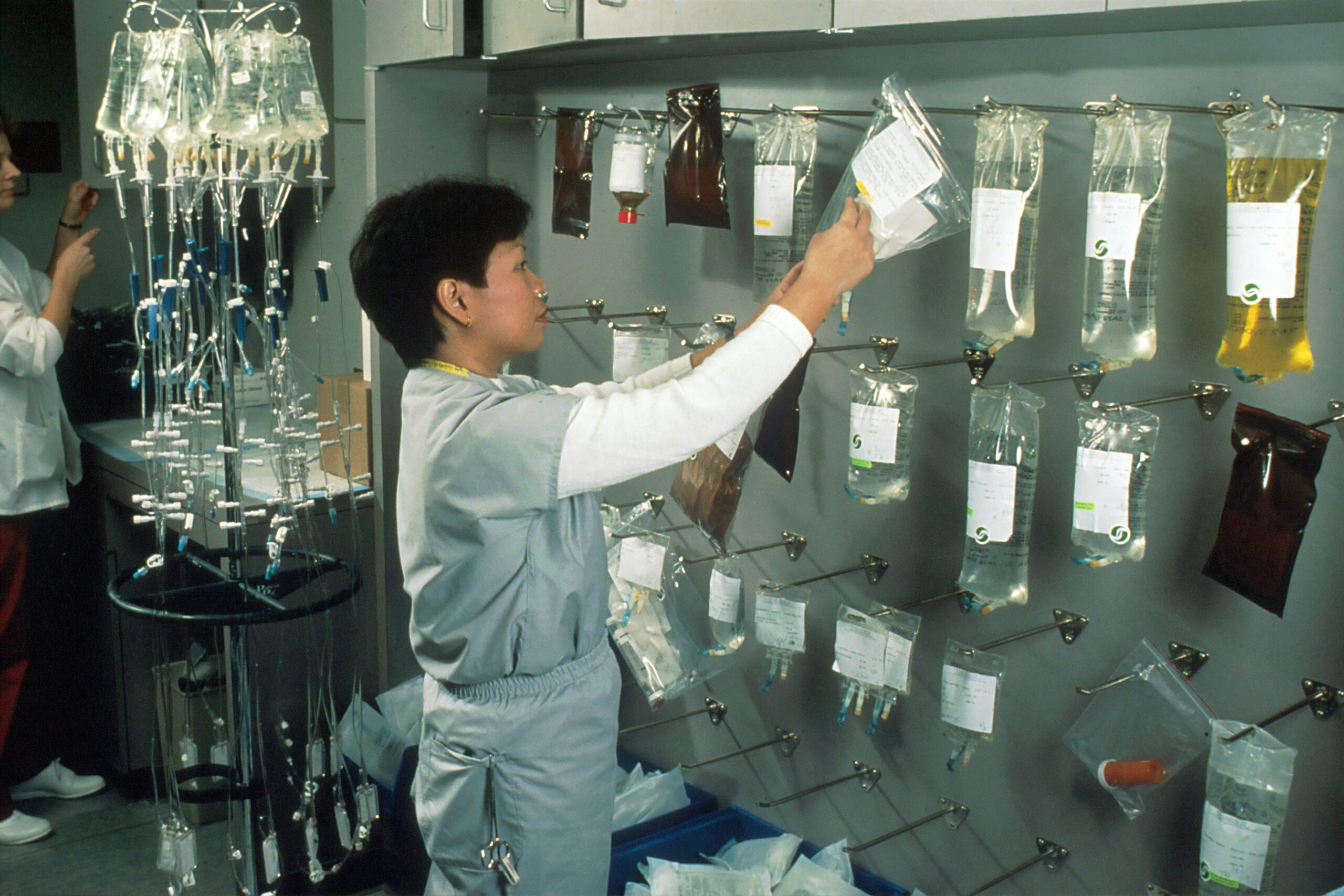
When it comes to understanding the quality and safety of products, physico chemical testing stands out as a crucial process. I rely on these tests to reveal the physical and chemical properties that define everything from water and food to pharmaceuticals and cosmetics. It’s amazing how a few precise measurements can ensure products meet strict standards and keep us safe.
I’ve seen how industries depend on accurate physico chemical testing not just for compliance but also for
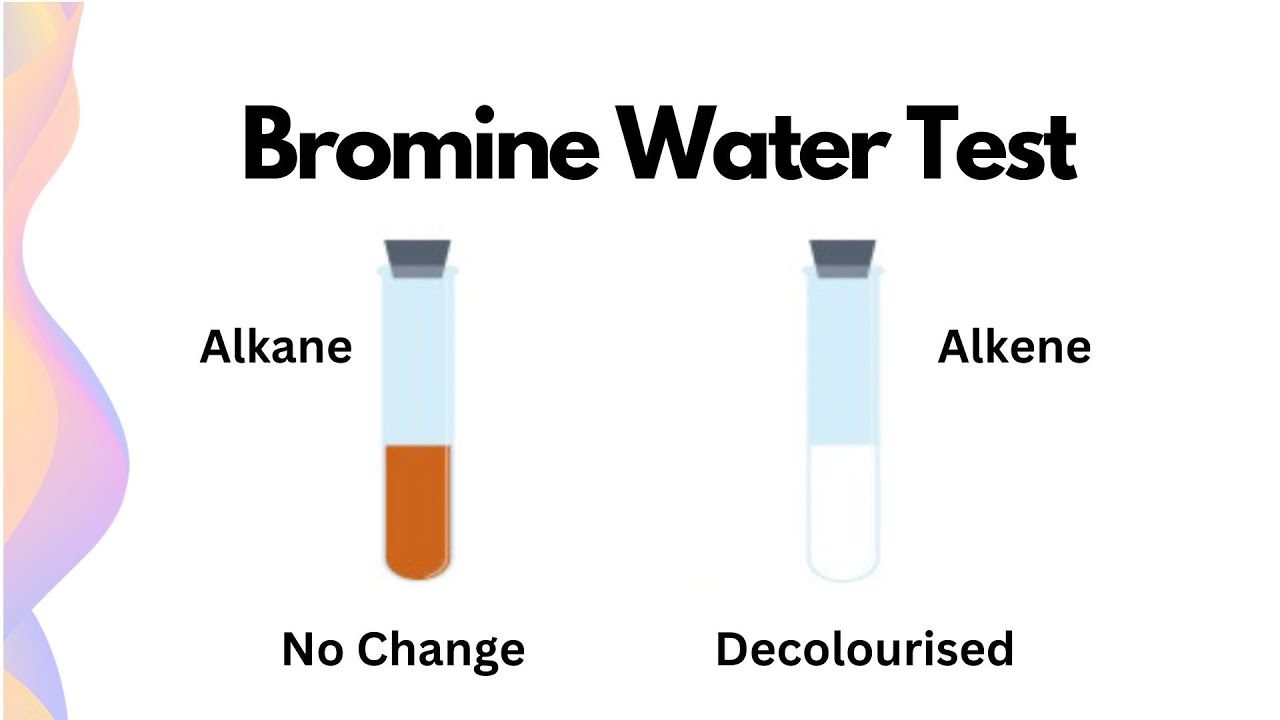
When I first learned about alkenes in chemistry class I was fascinated by how a simple test could reveal the presence of these unsaturated hydrocarbons. Alkenes play a big role in organic chemistry and spotting them quickly is essential for many experiments and reactions.
I’ve found that knowing how to test for alkenes not only helps in the lab but also deepens my understanding of chemical properties. There are a few classic methods that make this process
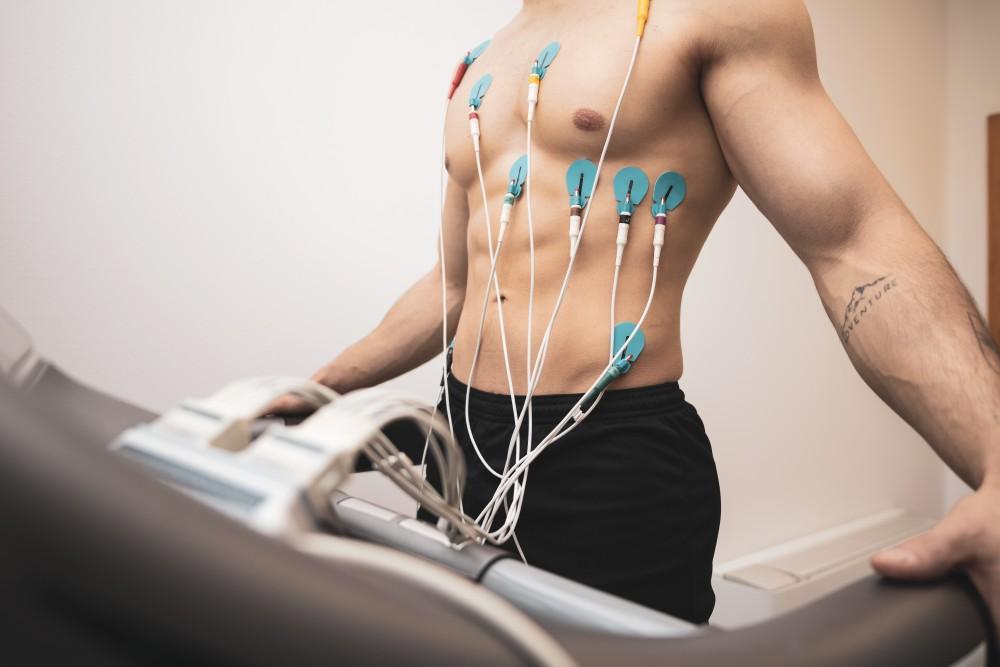
When my doctor first recommended a stress test I wondered how long those results would actually matter. Stress tests offer a snapshot of heart health but life doesn’t stand still and neither does our health. It’s easy to assume that a single test can give peace of mind for years but that’s not always the case.
I’ve learned that understanding the shelf life of stress test results is key for anyone managing heart concerns or just wanting

Knowing when to replace these test kits and reagents can make a